Fourth Circuit Strongly Suggests Including Temporal Limitations on Search Warrants for Social Media Account Information (May 15, 2024)
Jeff Welty and Phil Dixon
Earlier this year, the Fourth Circuit decided United States v. Zelaya-Veliz, 94 F.4th 321 (4th Cir. 2024). Phil summarized it here when it came out, but we thought it merited its own post because of its extended discussion of how the Fourth Amendment applies to search warrants for social media account information. The court’s discussion of the need for temporal limitations in such warrants is especially noteworthy, as is the court’s analysis of the scope of the information seized pursuant to the warrants approved by the court. We’ll start with a recap of the case, and then end with some thoughts for law enforcement and prosecutors, and for defenders.
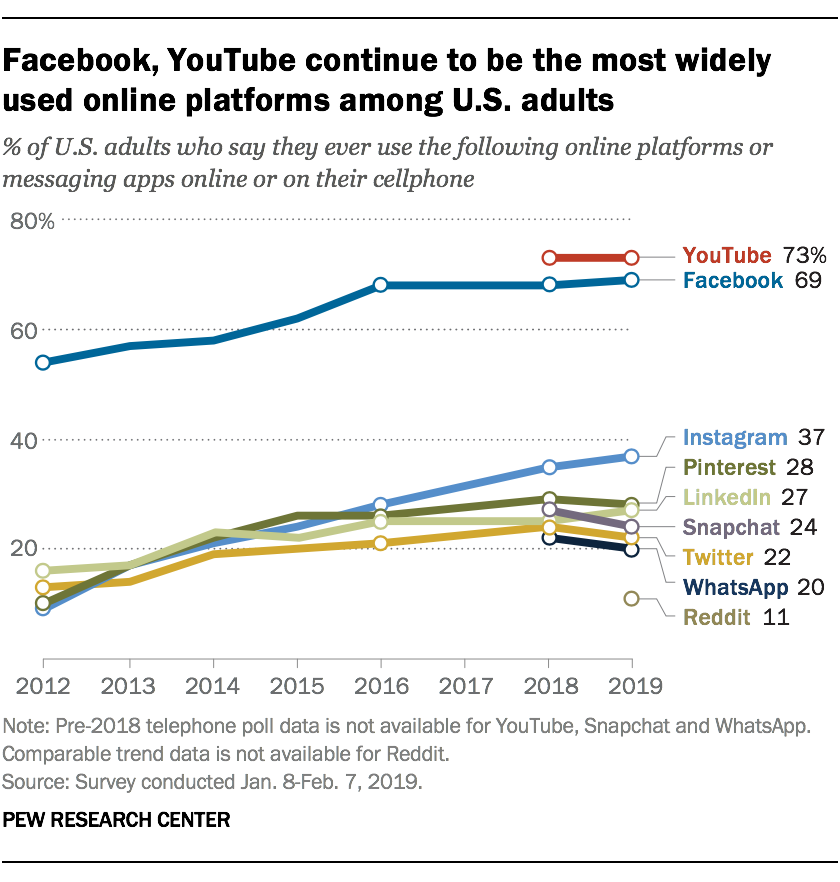 Nearly half of the 7.7 billion people in the world are on social media, and each of those users has an average of 8 different accounts. The rate is even higher in the U.S., with around 70% of the population active on social media for an average of 2 hours every day. You can find more jaw-dropping statistics here.
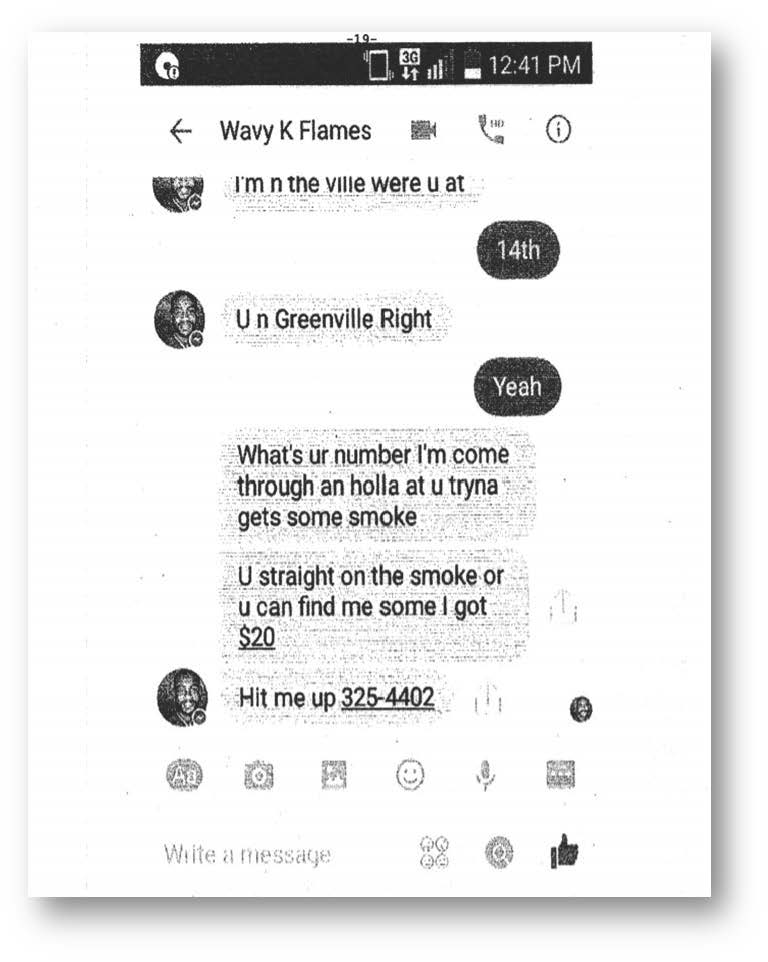 After Roshawn Thompson picked up his cousin Kendall Rascoe from the Greenville mall in November 2014, Thompson and a friend, Andre Grey, robbed Rascoe at gunpoint. At Thompson’s armed robbery trial, his defense attorney sought to cross examine Rascoe about Facebook messages he sent to Thompson earlier in the day asking whether Thompson could get some marijuana for him while he was in Greenville. Rascoe denied sending the message and testified that he just happened to run into Thompson at the mall. The State objected to the admission of the screenshot of the messages.